

Trusted Eye Care in Keperra
Specialist care to monitor and help slow short-sightedness in children and
teenagers.
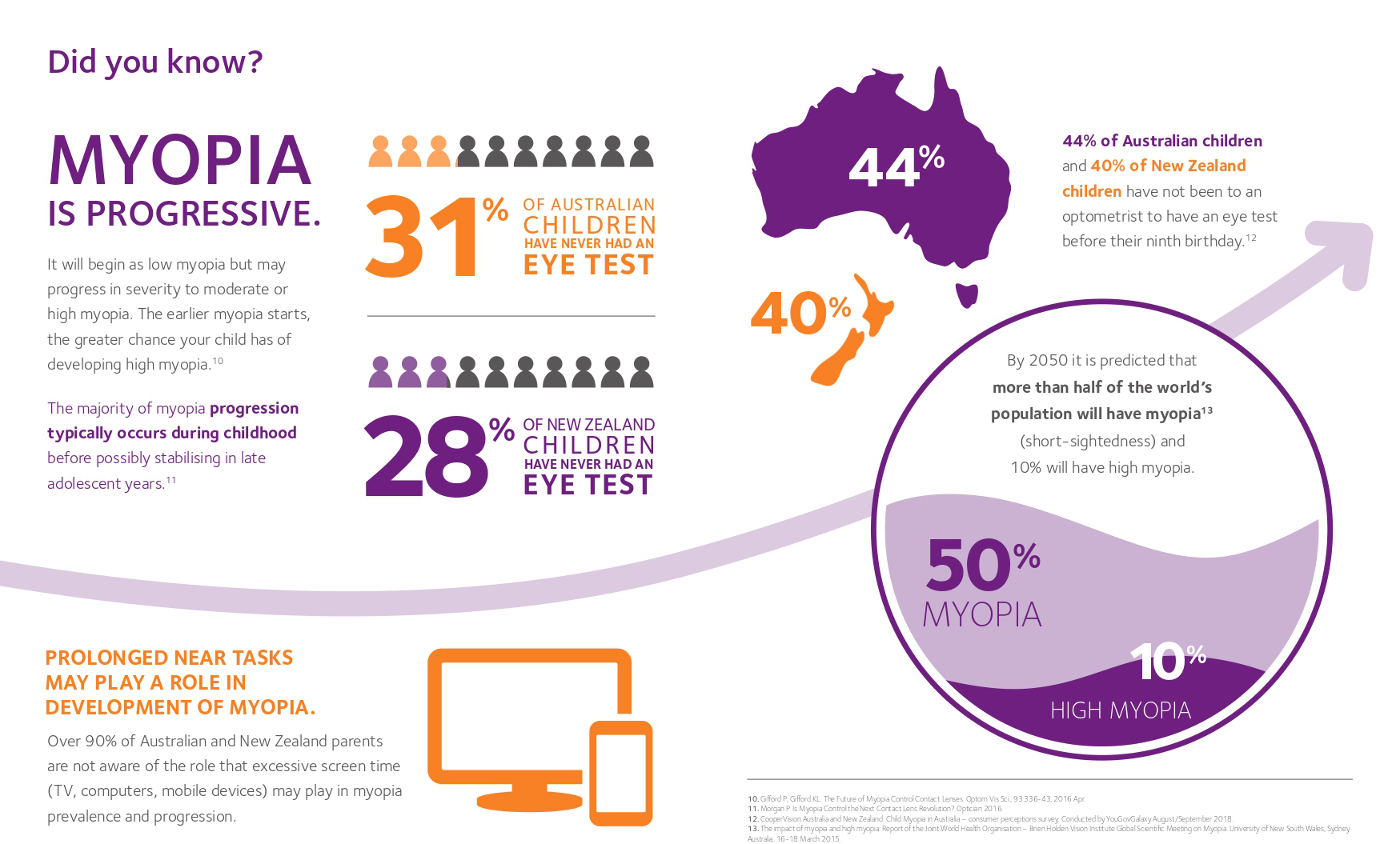
Myopia, or short-sightedness, means distant things look blurry while close things stay clear. It usually happens because the eye grows too long. It often starts in childhood and can keep getting worse through the teen years.
Glasses make things clear, but on their own they do not slow the eye from growing. Myopia management is about doing something to help slow that change.

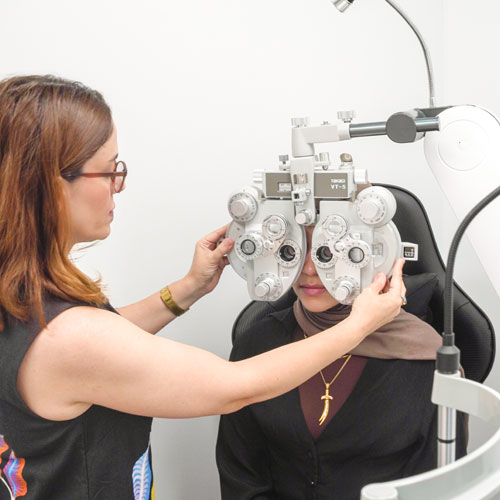
Higher myopia means thicker lenses and more dependence on glasses.
Higher myopia is linked to a greater risk of eye conditions later in life.
Clearer vision helps kids at school, in sport and with confidence.
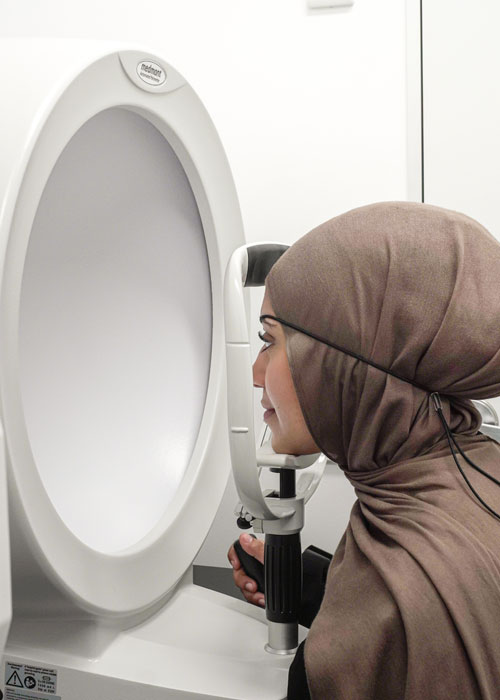
Our lead optometrist, Dr Samaneh Delshad, holds a PhD in myopia management and is a clinical supervisor at QUT. Her research focused on how the eye responds to blur and how the eye grows. She designs each child’s plan around their eyes, their habits and their family’s goals.
Why families choose us
Spectacle lenses designed for myopia control, worn like normal glasses.
Prescribed eye drops that can be used to help slow myopia progression.
Frequently Asked Questions
Myopia, also known as short-sightedness, is a common vision condition where nearby objects can appear clear, but distant objects look blurry. It occurs when the eye grows longer than usual, causing light to focus in front of the retina instead of directly on it.
A comprehensive eye examination can detect myopia and help determine the right vision care approach.
A myopia assessment helps identify whether your child has myopia, how quickly it may be progressing, and what management options may be suitable.
Early detection allows optometrists to monitor changes in vision and provide personalised recommendations to support healthy eye development
A myopia assessment includes a detailed evaluation of your child's vision and eye health. Depending on your child's needs, the assessment may include: - Measuring current vision and prescription - Checking eye health - Assessing myopia progression risk - Discussing lifestyle factors and treatment options This helps our optometry team create a personalised plan for your child's vision care.
Myopia can develop due to a combination of genetic and environmental factors. Children with parents who have myopia may have a higher chance of developing it.
Lifestyle factors such as spending less time outdoors and extended periods of close-up activities may also contribute to myopia progression. College Optometrists
Currently, myopia cannot be completely reversed. However, myopia management strategies can help slow its progression and reduce the likelihood of developing higher levels of myopia in the future.
Regular monitoring and early management play an important role in maintaining long-term eye health.
Copyrights © 2026 Priority Optometry Clinic. Developed by YOGA’S IT Solutions.